Integrated Effluent Treatment Plant About
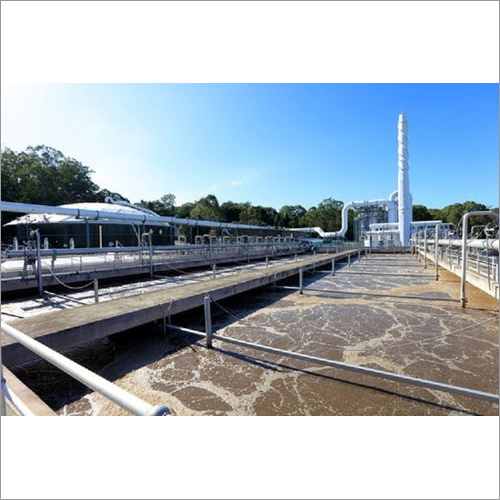
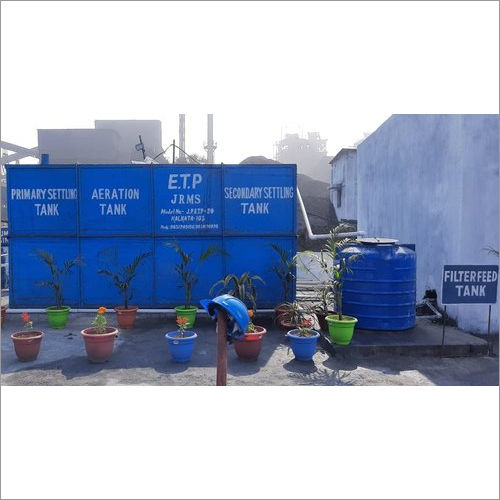
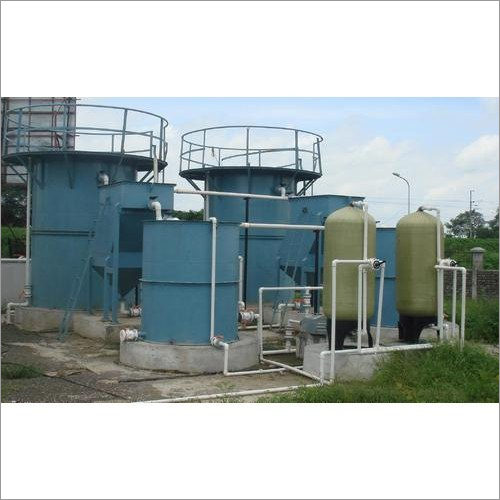
Integrated Effluent Treatment Plants we offer are efficiently made to treat as well as manage both effluent and sewage at the same time. These drain out the water from effluents and sewage make that usable for other application such as farming, gardening, and washing. Integrated Effluent Treatment Plants are used for the removal of high quantities of organic compounds such as debris, toxic, non-toxic materials, dirt, grit, polymers and pollution. These comply with discharge consent conditions and their effluent treatment can decrease the operating costs making significant profits.
Specification
|
Air Blower Power
|
1.5 kW
|
|
Capacity
|
100 m3/day
|
|
Impurities to be removed
|
Oil and Grease,Dissolved Minerals,Color
|
|
Brand
|
JRMS
|
|
Automation Grade
|
Semi-Automatic
|
|
Industry
|
Dairy, Sugar, Automobile Industry, etc
|
|
Body Material
|
Mild Steel
|
|
Air Blower Power
|
1.5 kW
|
|
Capacity
|
100 m3/day
|
|
Impurities to be removed
|
Oil and Grease,Dissolved Minerals,Color
|
|
Brand
|
JRMS
|
|
Automation Grade
|
Semi-Automatic
|
|
Industry
|
Dairy, Sugar, Automobile Industry, etc
|
|
Body Material
|
Mild Steel
|
Advanced Automatic Control and CustomizationEquipped with a PLC-based control panel and HMI display, the plant automates core operations for optimal efficiency. Customizable inlet/outlet diameters (DN80DN250), a range of capacities from 10 to 500 KLD, and modular accessories ensure adaptability to any industrial or municipal wastewater scenario. The integrated unit combines chemical, biological, and physical treatments in a compact, easy-to-install form.
Robust Engineering and ComplianceDesigned and built to CPCB, ISO 9001:2015 standards, the effluent treatment solution incorporates corrosion-resistant piping (uPVC, HDPE, SS) and advanced sludge dewatering. Available in mild steel with FRP lining or stainless steel, its skid-mounted, portable, or stationary format ensures versatility and meets strict regulatory discharge requirements, offering reliable long-term operation with low noise emission (<60 dB).
Comprehensive Service and Versatile ApplicationsEach plant includes essential accessories like feed pumps, blowers, dosing pumps, and level sensors for seamless process management. Onsite service, AMC, and prompt commissioning (48 weeks) are standard. Applicable to various sectors such as chemical industries, textiles, and food processing, this system delivers sustainable wastewater management and is compatible with Zero Liquid Discharge (ZLD) policies.
FAQs of Integrated Effluent Treatment Plant:
Q: How does the automated PLC-based control panel improve the operation of the treatment plant?
A: The PLC-based control panel with HMI display automates essential processes, continuously monitors system parameters, adjusts treatment operation in real-time, and offers intuitive visual feedback. This reduces human intervention, increases reliability, and ensures consistent discharge standards.
Q: What is the process flow for treating effluent in this integrated plant?
A: Effluent undergoes multi-stage treatment: biological degradation in the Mixed Bed Bio Reactor (MBBR), followed by chemical dosing, sedimentation, extensive filtration, and in-built sludge dewatering. Fine bubble diffusers enhance aeration, while the control panel manages flow and dosing to achieve desired BOD, COD, and pH levels.
Q: Where can this integrated effluent treatment plant be installed?
A: This plant is suitable for installation in industries like chemicals, textiles, pharmaceuticals, and food processing units. Its modular skid-mounted or stationary configuration allows deployment in industrial, municipal, or remote sitesindoors or outdoorsbased on space availability and capacity needs.
Q: When can I expect the plant to be commissioned and ready for operation?
A: Commissioning typically occurs within 48 weeks after order confirmation, including on-site installation, calibration, and initial runs to ensure all compliance parameters and operational standards are met.
Q: What are the benefits of the built-in sludge dewatering system?
A: The inbuilt sludge dewatering system efficiently separates and reduces sludge volume on-site, minimizing waste disposal costs, improving operational hygiene, and supporting continuous plant operation with minimal downtime.
Q: How is treated water quality assured to meet regulatory norms?
A: The system is engineered to meet CPCB and State Pollution Control Board discharge norms, delivering treated effluent with BOD under 30 ppm, COD under 100 ppm, and neutral pH. Automated monitoring and precise flow control further ensure compliance and safe environmental discharge.
 Send Inquiry



 Send Inquiry


 Send Inquiry


