Effluent Treatment Plant About
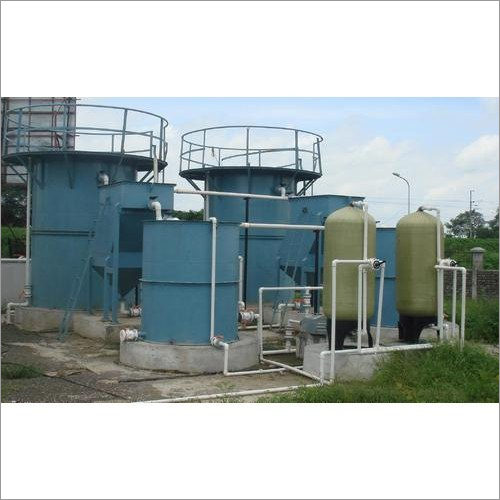
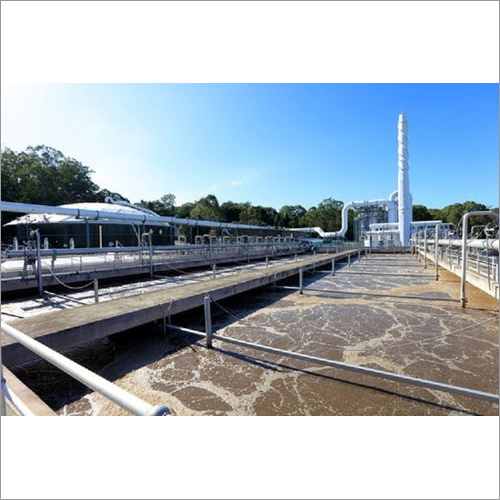
Effluent Treatment Plants are suited for the removal of debris, dirt, organic compounds, grit, pollution, toxic, non-toxic materials and polymers etc. from industrial effluent. The ETP plants use evaporation as well as effective drying methods for the purpose of filtration, incineration, centrifuging and others. Effluent Treatment Plants are offered with good chemical processing as well as advanced effluent treatment. These can also eliminate the harmful contaminants and ensure a healthier environment. The plants are really advantageous on account of their functionality and processing efficiency. Their installation is free from risks.
Specification
|
Water Source
|
Commercial Waste Water
|
|
Inlet Water Quality
|
Waste Water
|
|
Capacity
|
500-1000 m3/hour
|
|
Water Source
|
Commercial Waste Water
|
|
Inlet Water Quality
|
Waste Water
|
|
Capacity
|
500-1000 m3/hour
|
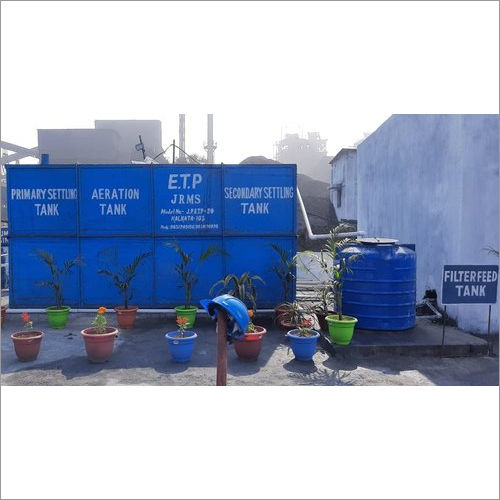
Integrated Modular Design for Reliable PerformanceUtilizing a rectangular prefabricated modular structure, the ETP ensures easy installation and space efficiency in diverse industrial settings. Its durable construction from mild steel and FRP guarantees longevity and corrosion resistance, while a fully automatic digital PLC control panel streamlines operation and real-time monitoring.
Sophisticated Multi-Stage Treatment ProcessThe system executes rigorous pre-treatment with screening and oil removal, followed by a three-tiered processphysical, biological (MBBR), and chemical treatment. This configuration achieves exceptional reduction in contaminants, with UV or chlorine-based disinfection ensuring compliance with stringent CPCB discharge norms.
Optimized for Industrial Applications and SupportTailored for continuous operation in pharmaceutical and chemical industries, the ETP operates efficiently within a wide temperature range (5C55C). Its 500 KLD capacity, robust pumps, and advanced filtration guarantee high throughput and consistent water quality, while comprehensive onsite and remote service ensures maximum uptime.
FAQs of Effluent Treatment Plant:
Q: How does the Effluent Treatment Plant (ETP) ensure compliance with CPCB discharge standards?
A: The ETP incorporates advanced physical, biological, and chemical treatment stagesincluding MBBR and membrane filtrationcoupled with final disinfection (UV or chlorine). This multi-stage process consistently delivers treated water with BOD and TSS below 30 mg/L, meeting and often exceeding CPCB compliance requirements for pharmaceutical and chemical industries.
Q: What are the main benefits of the integrated sludge handling system?
A: The integrated sludge handling system streamlines the separation, thickening, and dewatering of sludge, reducing manual intervention and operational costs. It enhances process efficiency, prevents the buildup of solids, and ensures that the treated effluent remains within regulatory limits, improving overall plant reliability and hygiene.
Q: Where can this ETP system be installed, and what is its installation type?
A: This ETP is designed for onsite installation at industrial facilities, especially pharmaceutical and chemical plants. Its prefabricated, modular construction enables swift and flexible deployment with minimal civil work, allowing installation even in space-constrained environments.
Q: When should the ETP system undergo maintenance, and what support is available?
A: Routine maintenance schedules are recommended based on process load and manufacturers guidelines, generally involving periodic inspection of membranes, pumps, and control systems. Both onsite and remote technical support are available to address operational issues and ensure uninterrupted system performance.
Q: What process do industrial effluents undergo in this treatment plant?
A: Industrial effluents pass through screening and oil removal, followed by physical, biological (via Moving Bed Biofilm Reactor), and chemical treatments. The clarified water is post-treated with either UV or chlorine disinfection before safe discharge, while the sludge is handled efficiently within the integrated system.
Q: How does the automated control panel enhance operational efficiency?
A: The digitally operated PLC-based control panel automates the ETP functions, manages real-time process parameters, and alerts operators to variations or faults. This level of automation ensures reliable performance, reduces human error, and enables remote monitoring for timely intervention.
Q: What usage capacity and operational range does this ETP offer?
A: Designed for continuous use, the plant has a treatment capacity of 500 kiloliters/day with a flow rate of 50 m3/h and operates efficiently within 5C55C. Its robust design supports inlet TSS from 200400 mg/L and maintains optimal performance throughout its service life.
 Send Inquiry



 Send Inquiry


 Send Inquiry


