About Wastewater Treatment Plant
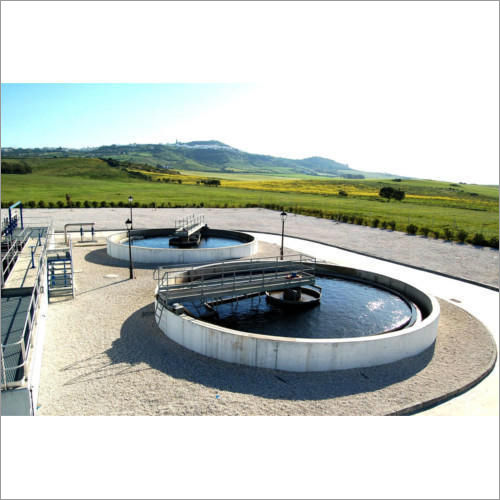
Wastewater Treatment Plants are made to store, treat and receive the water in an efficient way. These also allow for disposal of waste water from toilets, washing machines, baths, sinks, and other domestic water-using purposes. These can remove as much of the deferred solids as conceivable. Wastewater Treatment Plants are required to provide clean and safe water processing. These use the wastewater effectively and turn them into high-quality reusable water. The plants are beneficial to the environment, save a lot of water and ensure the reduction in waste.
Specification
|
Minimum Order Quantity
|
1 Unit
|
|
Capacity Inlet Flow Rate (cubic meter/hour)
|
1000 m3/hour
|
|
Plant Type
|
Wastewater Treatment Plant
|
|
Brand
|
JRMS
|
|
Material
|
FRP
|
|
Recovery rate
|
70-80 %
|
|
Capacity Inlet Flow Rate (cubic meter/hour)
|
1000 m3/hour
|
|
Plant Type
|
Wastewater Treatment Plant
|
|
Brand
|
JRMS
|
|
Material
|
FRP
|
|
Recovery rate
|
70-80 %
|
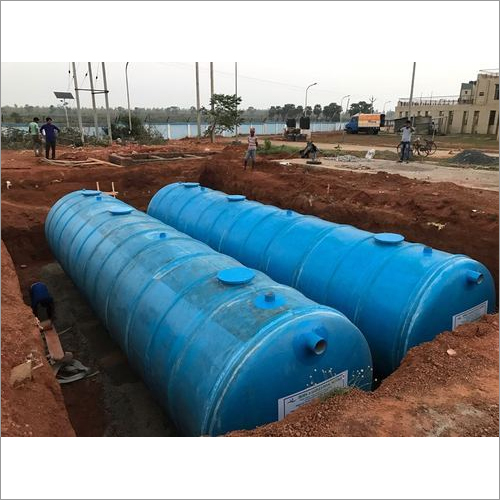
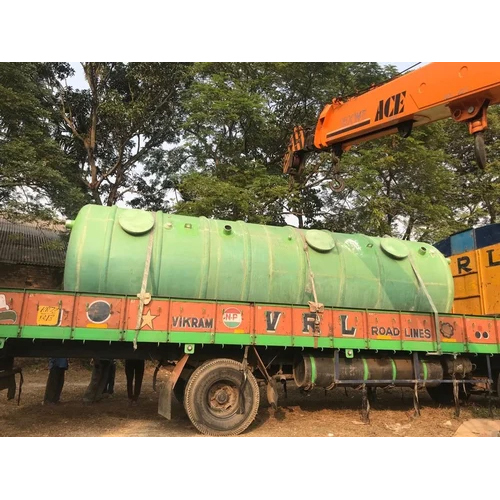
Advanced Modular FRP Tank DesignThis plant boasts modular, skid-mounted tanks made from corrosion-resistant FRP, offering exceptional adaptability and durability. This design supports quick installation, future expansion, and minimal operational disruption, making these systems ideal for both permanent and temporary deployments.
Superior Effluent Quality and ComplianceThe treatment plant achieves stringent discharge norms, consistently producing treated water with TSS below 10 mg/l, BOD less than 10 mg/l, and COD under 30 mg/l. This ensures safe reuse or discharge while strictly complying with local regulations for environmental protection.
Ease of Operation and MaintenanceOptions for semi- or fully automatic operation are managed using advanced PLC-based controls. Integrated sludge dewatering and durable UPVC/HDPE piping minimize manual intervention and lower long-term maintenance costs. Annual maintenance contracts provide added assurance and plant longevity.
FAQs of Wastewater Treatment Plant:
Q: How does the wastewater treatment plant manage sludge handling and disposal?
A: The integrated sludge dewatering unit separates and condenses sludge, simplifying handling and reducing volume. Dewatered sludge can then be disposed of in accordance with local regulations, streamlining overall plant operations.
Q: What is the installation process for the modular, skid-mounted plant?
A: We provide on-site installation and commissioning services. The modular design allows rapid assembly and minimal civil work, enabling efficient deployment at industrial, municipal, or commercial locations across India.
Q: When is a semi-automatic or fully automatic system recommended?
A: A semi-automatic system is best for sites with trained personnel and moderate automation needs, while fully automatic systems suit facilities requiring minimal manual oversight and high reliability, particularly for larger or remote operations.
Q: Where can this treatment plant be used effectively?
A: This plant is versatile for various applications, such as industrial manufacturing units, municipal sewage facilities, and commercial complexes, ensuring effective wastewater treatment where stringent effluent standards are necessary.
Q: What are the primary benefits of the integrated PLC-based control system?
A: The PLC-based control system enables precise monitoring and automation of treatment stages, improving efficiency, reducing error risk, and optimizing plant performance with customizable settings for different wastewater profiles.
Q: How is the quality of treated water ensured?
A: The plant employs a combination of biological, chemical, and physical processes to remove contaminants, guaranteeing final treated water meets or exceeds TSS, BOD, and COD norms mandated by local pollution control authorities.